A practical, interactive guide detailing how to get into AI, latest AI tools, and enterprise-grade AI execution pipelines.

Transitioning from mechanical engineering to AI required shipping functional products that demostrated my skills, even if I didn't have the experience.
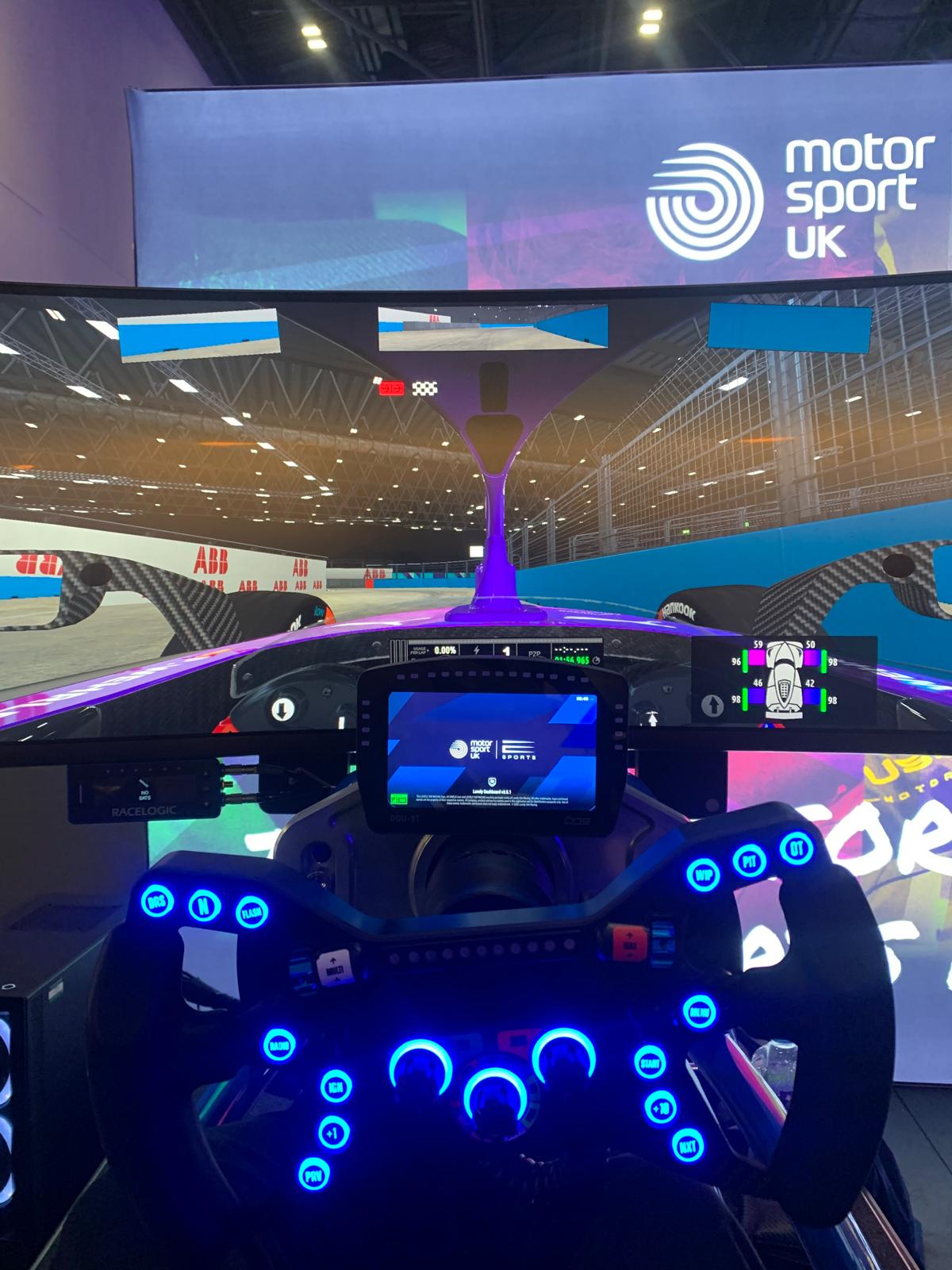
High-Performance Telemetry
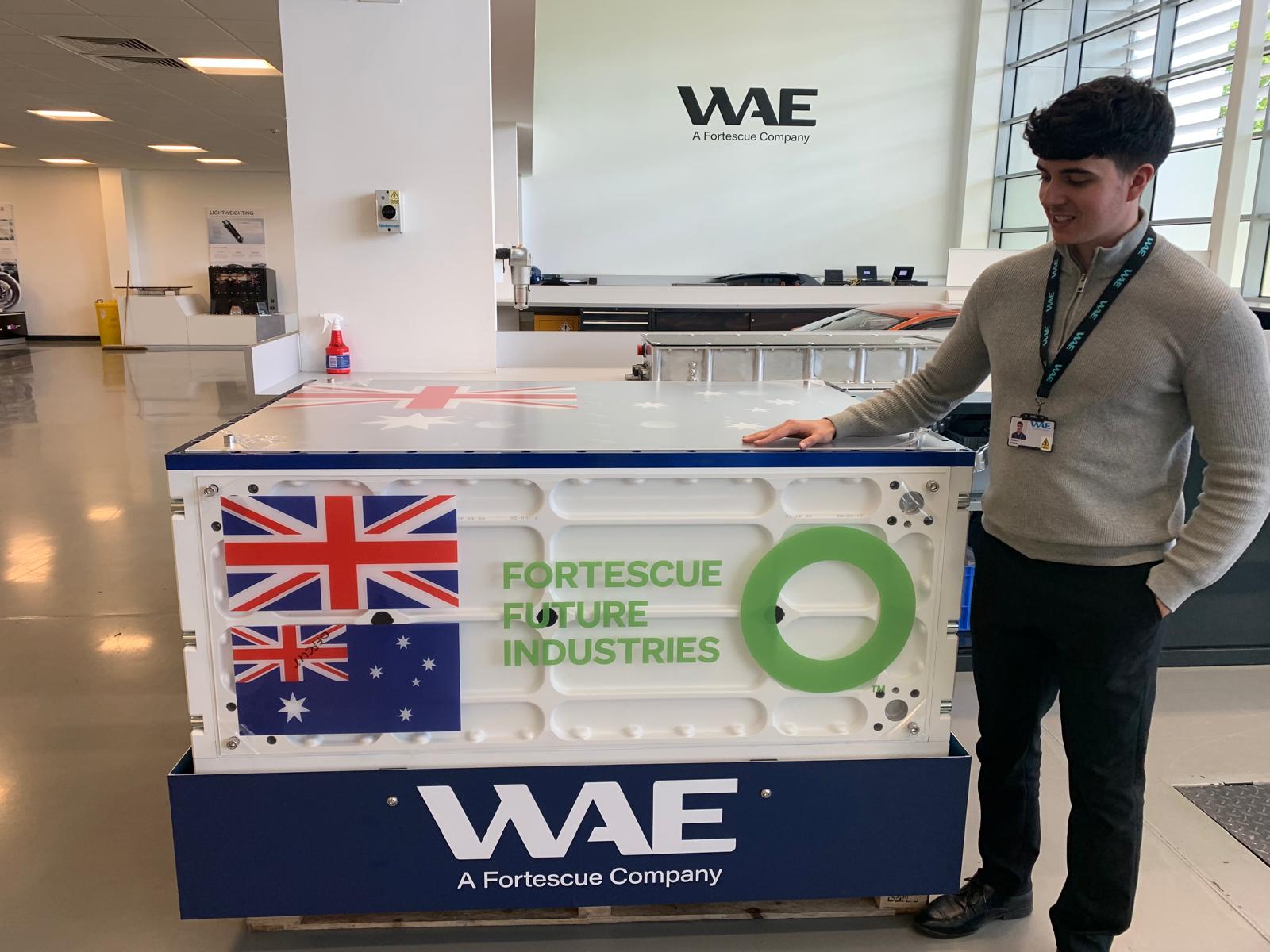
Placement and Graduate Scheme across Project Management, Mechanical Systems, Design, AI & Data
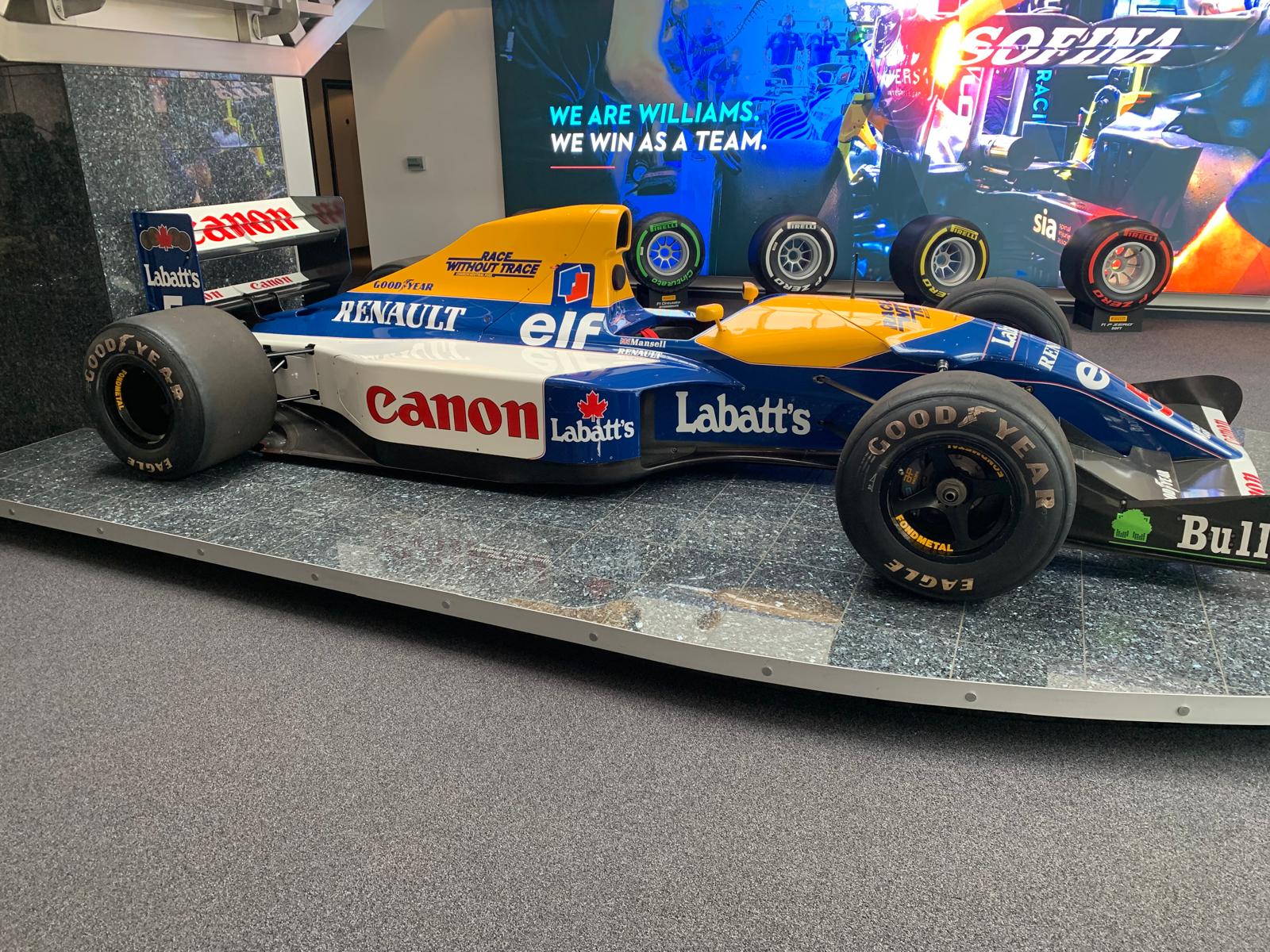
Working across Formula E, Motorsport, the first Battery Electric and Battery Electric Hybrid Hydrogen Fuel Cell Mining Truck
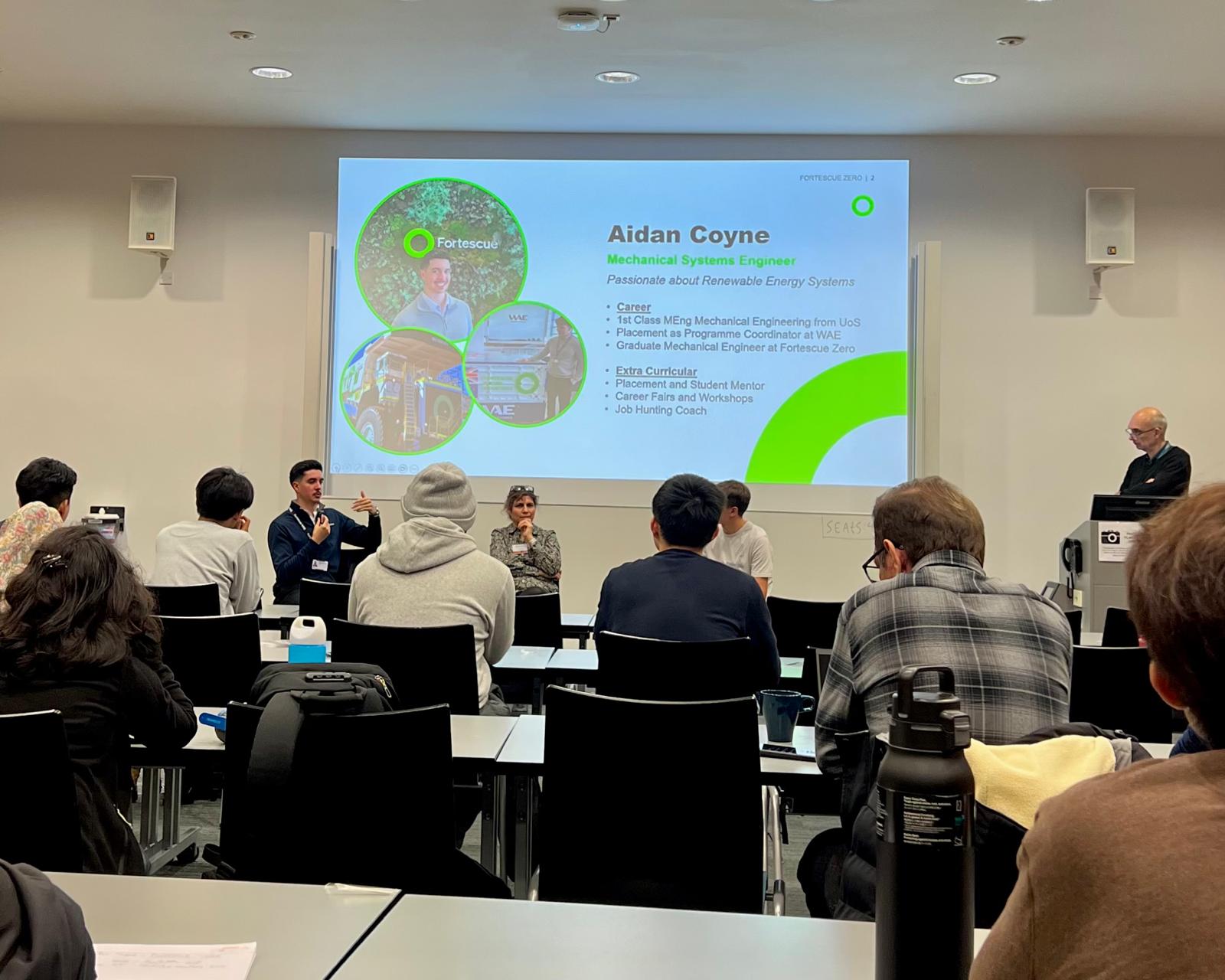
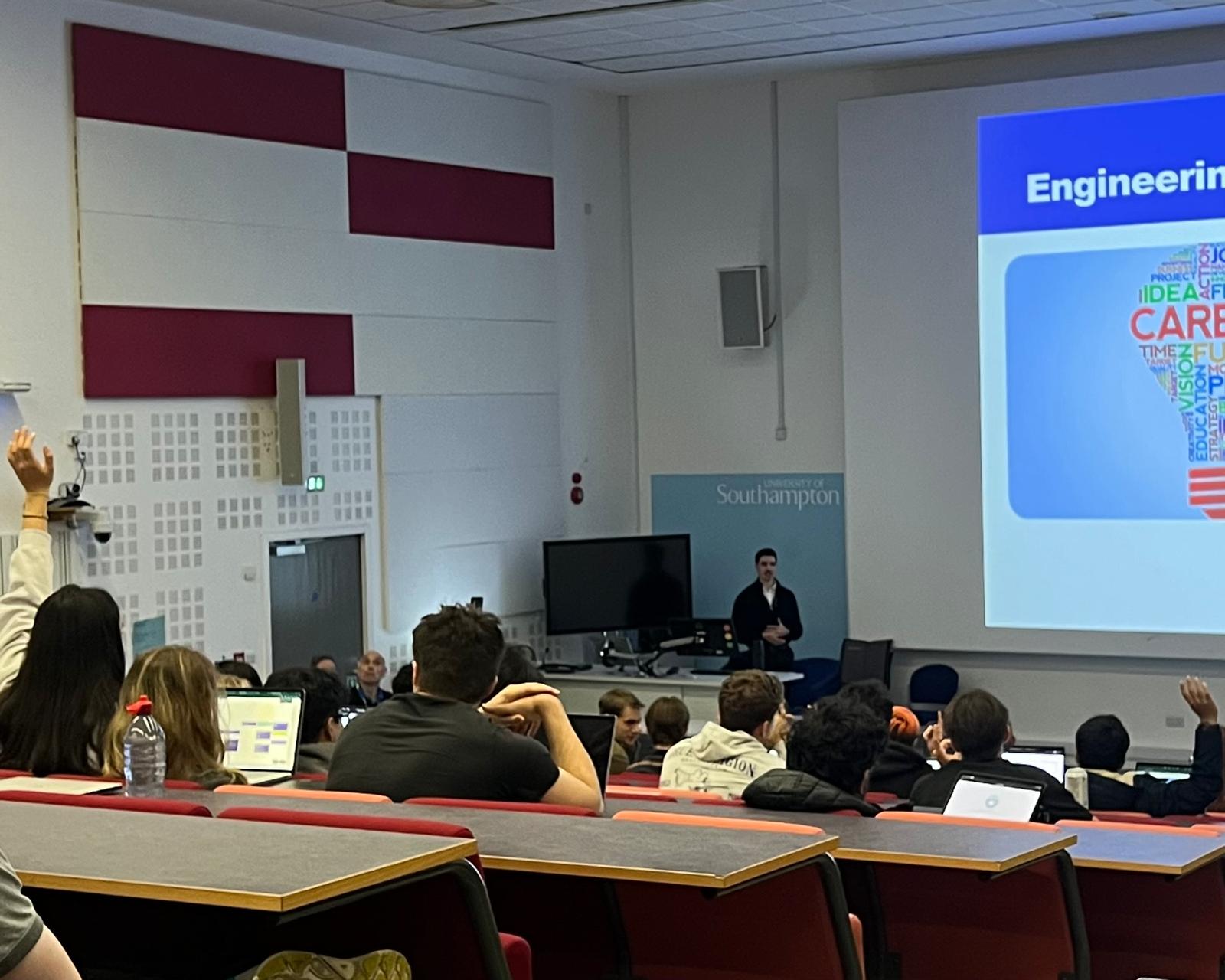
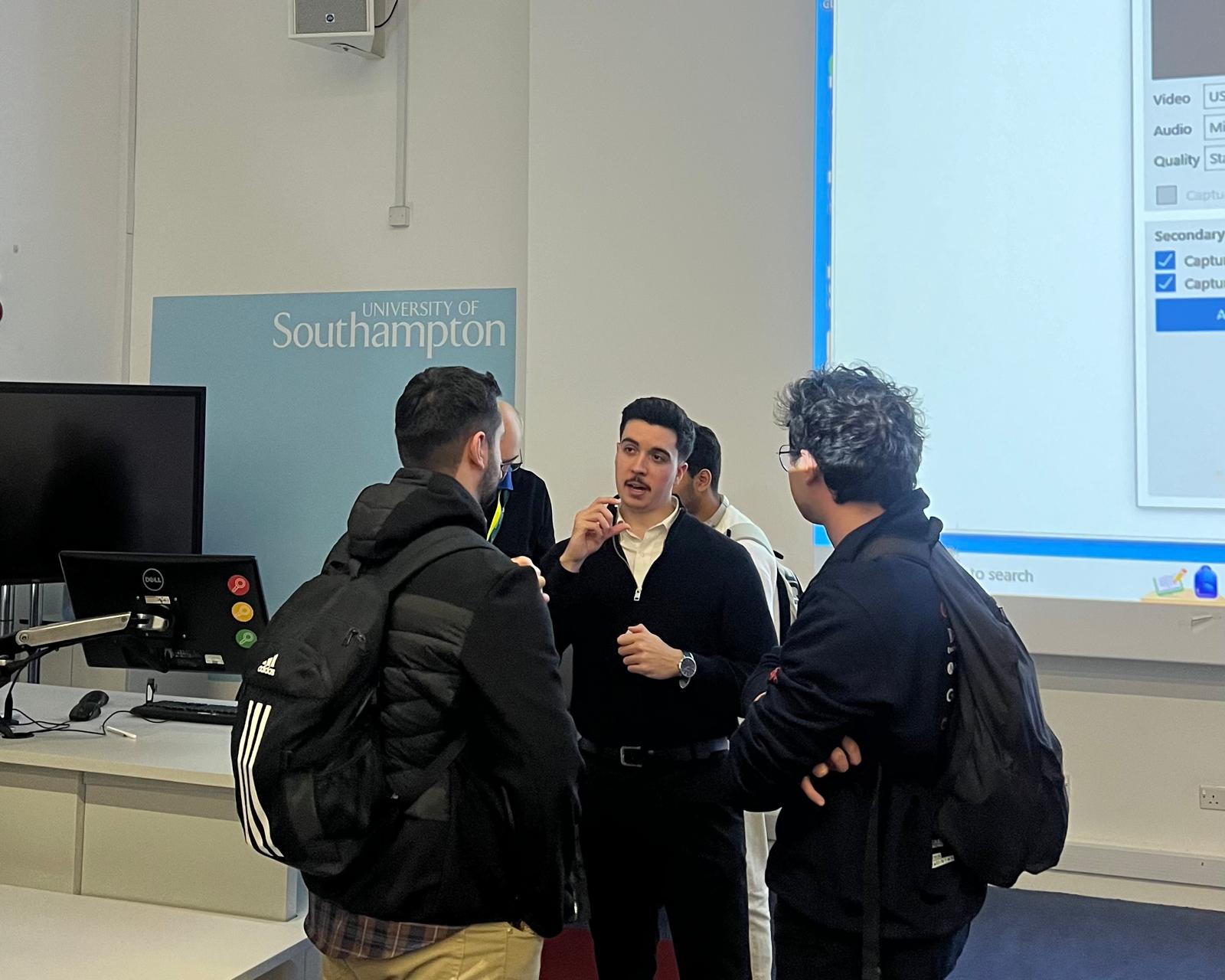
Advocate for more students completing a placement year at University and gave lectures to students on career opportunites when you have a Mechanical Engineering Degree.
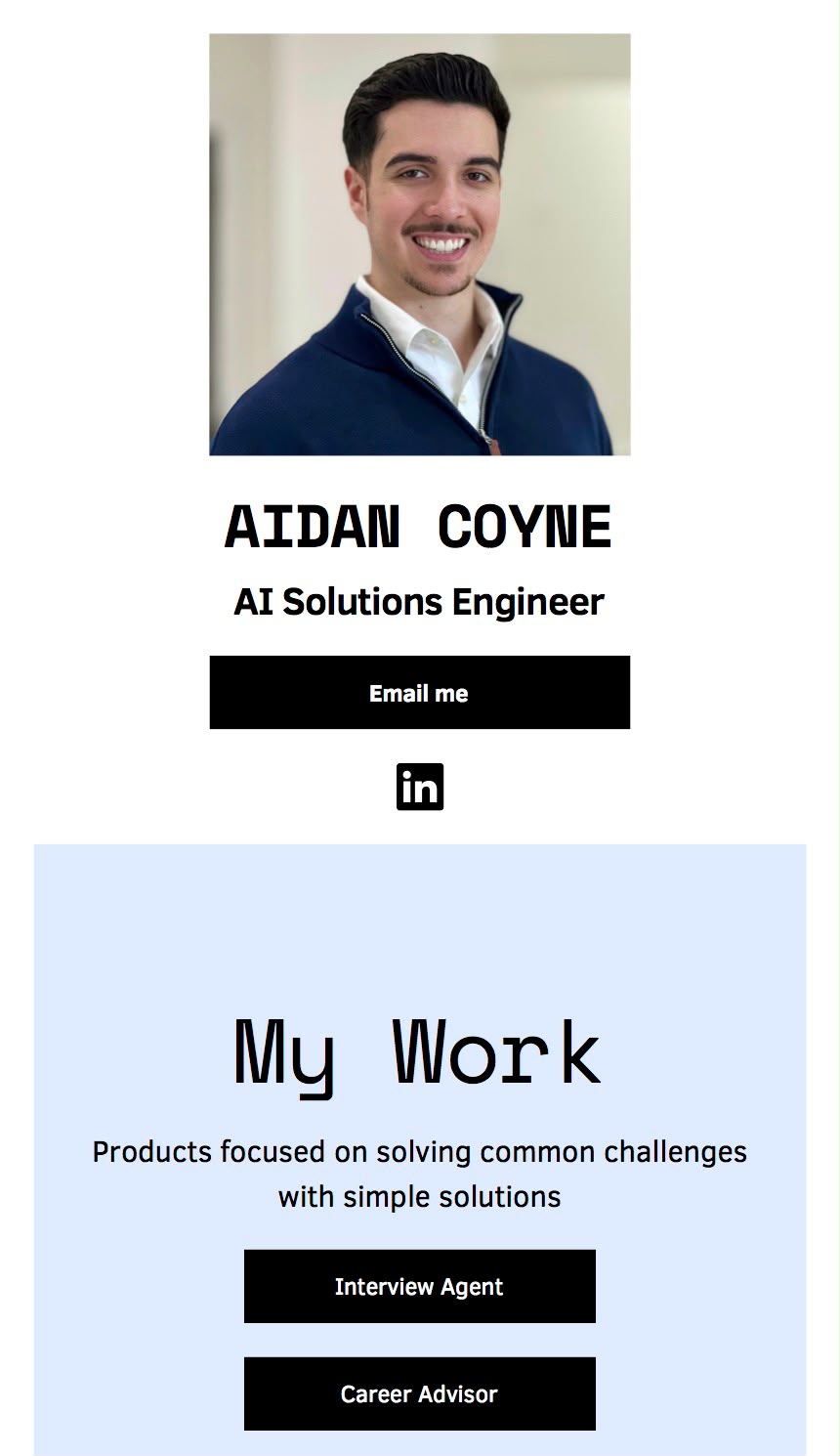
Consolidating proof of work into an interactive landing page featuring functional apps.
Auditing new AI deployments past marketing hype requires focusing on three core vectors to ensure safety, return on investment, and operational scale.
Evaluating how much decision-making power is delegated to the model and what guardrails exist.
Assessing upfront build and implementation costs and operational costs.
Moving past metrics like "hours saved" towards measurable operational value.
A structured pipeline to allow for a consistent process for developing, testing and operating AI Products.
Understand the existing process, what does the data look like? Unstructured SharePoint, messy raw PDFs, Excel, Word etc, do I have access?
Map out the channel where the user consumes the AI output (Chat bot, Web UI, or scheduled background automation).
Isolate new, untested LLMs or AI Tools in offline sandboxes using entirely mocked or synthetic files. Avoid passing any customer data or hitting production databases.
Promote to company development environments connected to active data sources. Run automated testing scripts utilising "LLM-as-a-judge" patterns to test output accuracy, system alignment, and edge-case resilience.
Distribute the prototype to a small team of domain subject-matter experts. Track user adoption rates, capture explicit formatting critiques, and strictly monitor usage to prevent early abandonment.
Promote the system to active corporate tenant. Assess product performance as users scale, can the product handle 100 users, are costs as expected.
Track live token consumption, execute regular prompt evaluations to detect product output drift, Review regularly with the users and business to assess product value.
Learn how to configure and use Copilot across Microsoft apps to improve efficiency.
Understanding what is accessible depending on your organisation's Microsoft account configuration:
Discover the core structural transition from simple reactive chat assistants to proactive, autonomous execution systems.
A reactive assistant acting purely as a second brain for a single user.
An autonomous system configured to achieve a goal independently using tools.
User-defined objective, initial context, files, or trigger events.
Instructions: Constraints & rules.
Model Selection: Reasoning capacity.
Grounding data (SharePoint) + action tools (Web search, code execution).
Structured deliverables: compiled reports, updated databases, alerts.
Human-in-the-Loop (HITL): Critical safety pattern where high-risk actions (e.g. database commits, sending external emails) pause the agent loop to request explicit human confirmation.
Select a workspace scenario below and click "Run Agent" to watch inputs, tools, and decisions flow dynamically in real time.
Navigating the LLM landscape. Understand the trade-offs in costs, licensing, and task suitability when picking the engine for your app.
Providers charge based on Tokens, three steps cause tokens to be consumed:
Input, Model Thinking, Output.
Input tokens are the prompt and grounding files you feed the model.
Output tokens are made up of the thinking tokens and then the direct response
to the user.
For high-volume agents, minimising output length, thinking steps and choosing lightweight models
dramatically scales financial viability.
Closed Source (GPT-4o, Claude): Hosted by third parties. for consumer there is
zero infrastructure management,
, but data leaves your secure servers (unless under enterprise
tenants). Also you pay each time the model is called.
Open Source (Llama, DeepSeek, Kimi): You download the model. Runs inside your
secure perimeter, zero third-party data leak risk, zero cost when calling the model, but
requires local GPU hosting
infrastructure and higher energy costs to run models locally.
| Model Family | Sub Model | Cost / 1M Tokens (Input / Output) |
License Type | Performance Benchmarks | ||||
|---|---|---|---|---|---|---|---|---|
| Context Window | Reasoning (GPQA) | Coding (HumanEval) | Knowledge (MMLU) | Speed (Tokens/sec) | ||||
|
ChatGPT Family
OpenAI
|
5 Nano (Cheapest) | $0.05 / $0.40 | Closed | 400K | 45% | 75% | 78% | ~180 (Ultra Fast) |
| 5.4 (Popular) | $2.50 / $15 | Closed | 1M | 55% | 88% | 88% | ~90 (Fast) | |
| 5.6 Sol (Latest) | $5 / $30 | Closed | 1M | 75% | 96% | 94% | ~30 (Moderate) | |
|
Claude Family
Anthropic
|
4.5 Haiku (Cheapest) | $1 / $5 | Closed | 200K | 50% | 85% | 82% | ~85 (Fast) |
| 4.8 Opus (Popular) | $5 / $25 | Closed | 1M | 62% | 92% | 90% | ~40 (Moderate) | |
| 5 Fable (Latest) | $10 / $50 | Closed | 1M | 78% | 97% | 95% | ~25 (Moderate) | |
|
Gemini Family
Google Cloud
|
2.5 Flash (Cheapest) | $0.30 / $2.50 | Closed | 1M | 40% | 72% | 75% | ~200 (Ultra Fast) |
| 3.5 Flash (Popular) | $1.50 / $9.00 | Closed | 1M | 48% | 80% | 80% | ~170 (Ultra Fast) | |
| 3.1 Pro (Latest) | $4.00 / $18.00 | Closed | 1M | 68% | 90% | 92% | ~45 (Moderate) | |
|
Kimi Family
Moonshot AI
|
Kimi Cheap (Cheapest) | $0.70 / $0.70 | Open Source | 256K | 35% | 68% | 70% | ~90 (Fast) |
| Kimi 3.3 (Latest) | $3.00 / $15.00 | Open Source | 1M | 58% | 84% | 85% | ~35 (Moderate) | |
|
DeepSeek Family
DeepSeek
|
V3 (Cheapest) | $0.14 / $0.28 | Open Weights | 128K | 59% | 83% | 89% | ~120 (Fast) |
| R1 (Popular) | $0.55 / $2.19 | Open Weights | 128K | 72% | 93% | 91% | ~30 (Moderate) | |
The software engineering landscape is shifting rapidly. Here are the leading platforms transforming developer workflows today.
A terminal-based agent that reads codebases, writes edits, executes tests, and manages git commits autonomously.
Advanced agentic coding platforms supporting multi-agent collaboration, self-healing code loops, and design iteration.
An AI-powered research assistant that helps you synthesize source documents, take notes, and generate structured summaries.
Next-generation prompt-to-app tool that instantly generates, compiles, and deploys clean, production-ready web applications.